
EU Climate Resilience Framework: prevention must become an integral part of European economic policy
The European Commission has presented its Climate Resilience Framework (CRF), and initiative that is welcomed by GDV. The key priority now is to ensure that Europe not only improves its understanding of climate risks but also translates this knowledge into concrete measures to prevent and reduce damage.
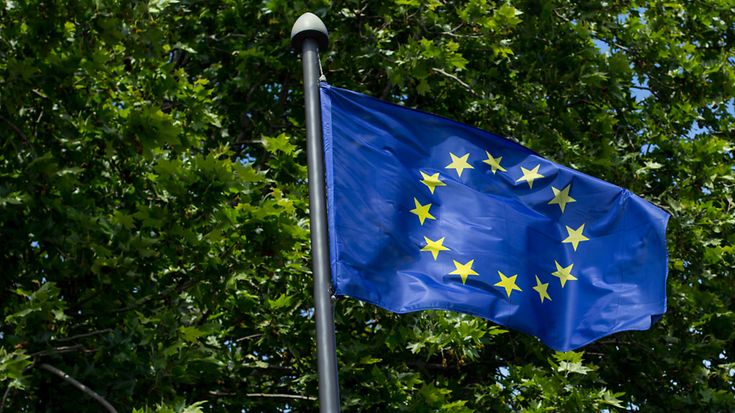
With its Climate Resilience Framework, the European Commission aims to strengthen Europe's response to the growing impacts of climate change. The framework seeks to establish a more systematic approach to assessing climate risks, clarify responsibilities and strengthen preventive measures.
For the insurance industry, this represents an important step forward. Extreme weather events no longer threaten only individual buildings or regions. Floods, storms, heatwaves and droughts can disrupt production facilities and supply chains, damage critical infrastructure and place considerable strain on public finances.
“Europe's competitiveness also depends on how resilient our economy is to climate risks. We therefore welcome the European Commission's initiative to make prevention an integral part of economic and infrastructure policy,” says Anja Käfer-Rohrbach, Deputy CEO of GDV. “The European Climate Resilience Framework offers an opportunity to bring together public-sector prevention efforts, private capital and insurers' risk expertise. This will help ensure that our economy remains capable of taking action and attracting investment in the years ahead.”
Climate risks must be integrated into economic decision-making
Europe already has extensive knowledge of the impacts of climate change. The priority now is to turn this knowledge into concrete preventive action. Climate risks must be considered from the outset when planning construction projects, developing infrastructure and making public investment decisions.
This requires reliable, comparable risk data and clearly defined responsibilities. The insurance industry can contribute decades of experience in assessing and modelling natural hazards.
Preventing damage makes greater economic sense than repeatedly paying for its consequences. Prevention should therefore not be seen as an additional cost, but as an investment in the long-term stability of the European economy.
Making greater use of private capital and risk expertise
The investment needed to adapt to climate change cannot be financed through public budgets alone. To make infrastructure more resilient, Europe must therefore make greater use of private capital and the expertise of the business community.
Insurers can assess risks, provide financial protection for investments and help finance resilient infrastructure as long-term institutional investors. With approximately €1.9 trillion in assets under management, the German insurance industry is one of the most important institutional investors.
Mobilising more private capital for such projects will require a stable and predictable investment environment, suitable investment opportunities and workable public-private partnerships.
Ensuring the long-term availability of insurance
A resilient economy depends on risks remaining insurable over the long term. Insurance can cushion the financial impact of natural disasters, but it cannot prevent the damage they cause.
In Germany alone, insurers have paid out more than €200 billion in claims for natural hazard damage over the past 50 years. As climate risks increase, effective prevention becomes ever more important. Only by consistently reducing risks can insurance coverage remain available and affordable in the long term.
Prevention and insurance protection must therefore go hand in hand. This also requires sustainable partnerships between the public and private sectors to jointly manage the risks posed by exceptional natural catastrophes.
The Climate Insurance Alliance announced by the European Commission provides an opportunity to address these issues collectively. From the GDV's perspective, the focus must be not only on financial protection but, above all, on preventing damage in the first place.
The goal is a European economy that remains resilient, capable of attracting investment and insurable, even as climate risks continue to grow.